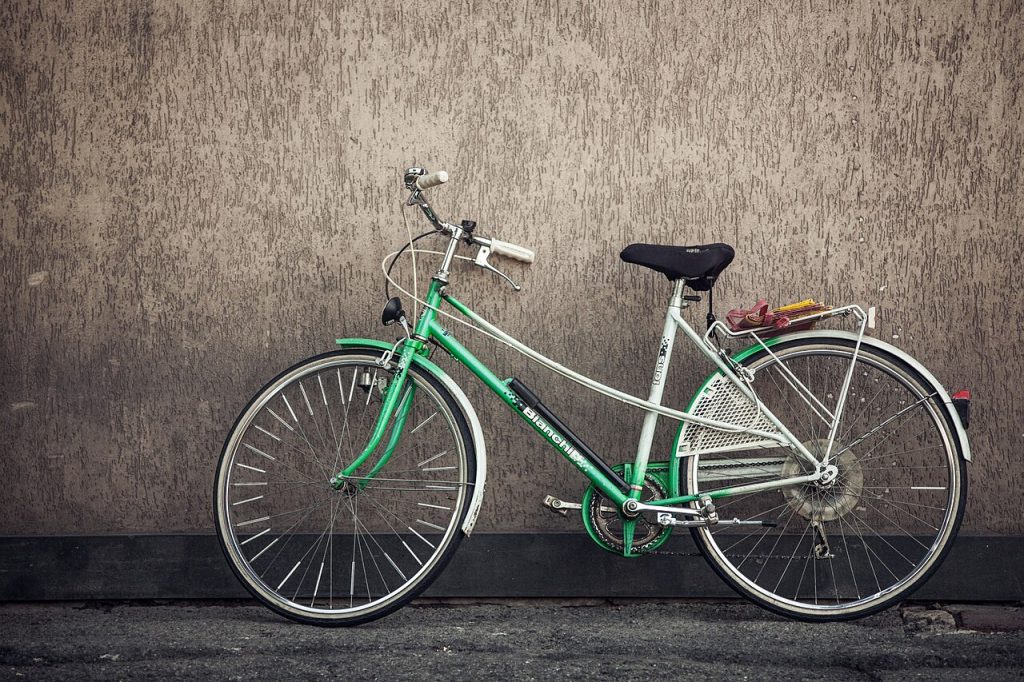
You see a bike for sale in a local group, you ask the price, and the seller writes back, “pm me.” Or a colleague says, “Let’s talk at 3 PM.” Or your manager mentions that the PM is off sick. It’s the same two letters each time, and not one of them means what the others do.
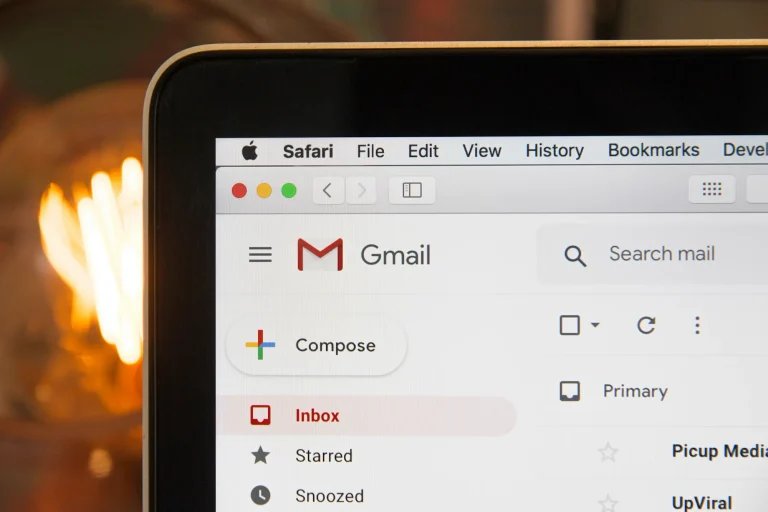
When it’s used as a verb, the PM meaning in chat is “private message.” Someone who says “pm me” wants you to contact them one to one, away from the public thread. As a noun, it’s the message itself: “I sent you a pm.”
Where the term came from
Old internet forums had public boards where everyone could read every post. They also had a private mailbox for each member, and messages sent there were called PMs. The habit stuck. When newer platforms arrived, some of them used the name DM, for direct message, and that’s the term you’ll hear most on Instagram and X. They do the same thing. If one friend says DM and another says PM, they aren’t disagreeing.
Why people take it private
Usually, it’s ordinary privacy. Nobody wants to post a phone number, an address or a bank detail under a public photo. Sellers also like to discuss the price quietly, and people sharing personal news may prefer not to do it in front of 400 group members.
It can be a courtesy as well. If you spot a typo in someone’s announcement, a quiet pm is kinder than a comment. Two people who’ve started arguing in a group could do everyone a favor by taking it there.
When to be careful
Scammers love moving a chat out of sight. A stranger who replies to your question with “pm me for help,” especially about money, accounts or investments, should make you pause. On marketplaces, keep the conversation inside the app until you’ve agreed on a deal, and don’t follow links to outside payment pages.
Young people should know they can refuse. “I’d rather talk here” is a complete answer.
The time of day
With a number next to it, PM means after noon. It’s short for the Latin “post meridiem,” and it covers the hours from 12 noon to just before midnight. So 3 PM is mid-afternoon and 11 PM is late evening. The spot that confuses people is 12 PM, which is noon. If you’re arranging something important, write “noon” or “midnight” and nobody will turn up twelve hours out.
Work, politics and phones
In an office, PM could be a project manager or a product manager. They’re different jobs, so ask if it matters. In news about the UK, Canada or India, it’s the prime minister. You may even see it on a machine’s service sheet, where it stands for preventive maintenance.
A quick look at the grammar helps. “The PM” with “the” in front is a person. “Pm” after a digit is a time. “Pm me” or “pm’d” is a message.
How to reply to “pm me”
If you’re interested, send the message and mention what it’s about, because the other person may have had ten that day. “Hi, I’m asking about the blue bike, is it still available?” is far better than “hi.” Check your message requests folder too, since replies from strangers sometimes land there. If you’d like to let them know, a short “pm sent” under the post is enough.
Not interested? You don’t need to do a thing.
One last point
Private doesn’t mean secret. Anything you write can be copied, forwarded or photographed, so use the same judgment that you’d use anywhere else. For more chat terms with several lives, you can search meaningsverse.com and compare the options. And do ask about that bike. They go fast.