Deep work habits stick when you make them small, scheduled and protected: pick one block of focused time, remove the obvious distractions, and repeat it at the same time each day. The goal is not eight hours of intense concentration. It is one or two reliable stretches where your best attention goes to your most important task.
Most of us know what focus feels like and still lose it within minutes. That is usually a design problem rather than a character flaw. Notifications, open tabs and an unclear to-do list all pull attention away. The habits below fix the environment first and rely on willpower last.
What deep work actually means
Deep work is effort on a demanding task with no interruptions: writing a proposal, building a model, designing a layout, studying something hard. It contrasts with shallow work such as answering messages, filing, and quick admin. Shallow work is necessary, but it rarely moves a project forward on its own.
Think of attention as a limited daily supply. If you spend the first three hours of the day on email, there is less left for the work that matters. Deep work habits are mostly about deciding in advance where that supply goes.
Start with one protected block
Trying to focus all day is the fastest route to giving up. Begin with a single block of 45 to 90 minutes, and put it in your calendar like an appointment with a client. If you work for yourself, that appointment matters even more, because nobody else will defend it.
Choose the right time of day
Notice when you are naturally sharpest. For many people it is the morning, but some think best late in the evening. Put your focus block there, and move meetings, calls and errands to your weaker hours.
Decide the task before you sit down
Nothing wastes a focus block like spending the first twenty minutes choosing what to do. At the end of each day, write down the one task your next block will cover, as specifically as you can. Instead of "work on report", write "draft the findings section".
Shape your environment for focus
You will not out-discipline a phone that buzzes every minute. Make distraction harder than concentration.
- Put your phone in another room, or at least out of sight and on silent.
- Close email and chat apps, not just minimize them.
- Close every browser tab that is not needed for the task.
- Use a website blocker for sites that tempt you, and set it to run during your block.
- Keep water and anything else you need within reach so you do not wander off.
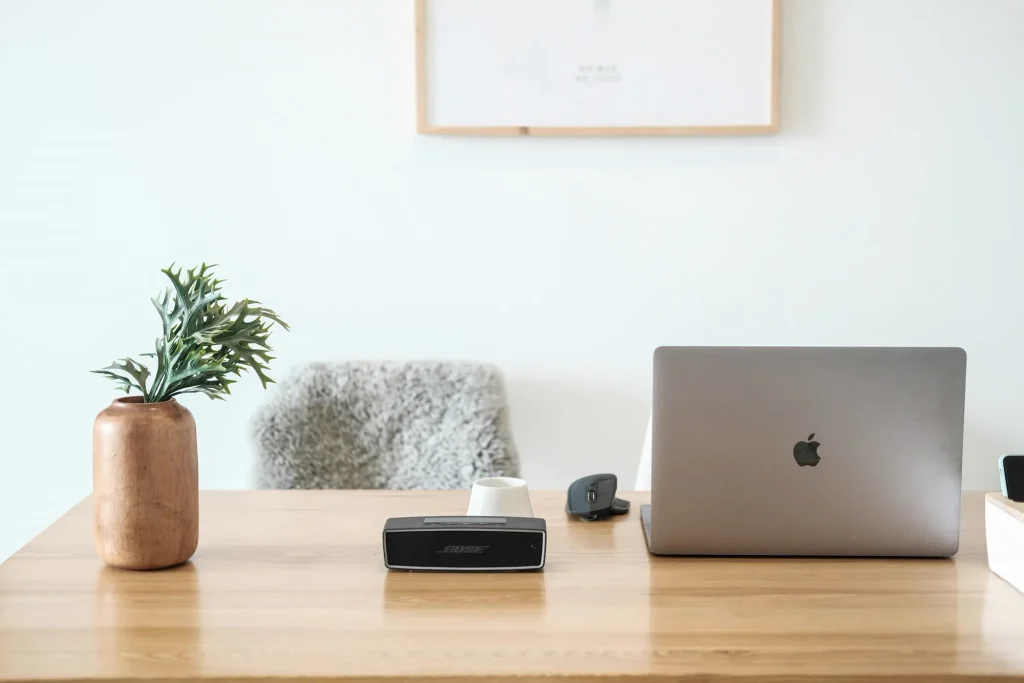
If you work at home or in a shared space, tell the people around you when you will be unavailable. A closed door or headphones can serve as a signal. A short note on your status, such as "back at 11", also sets expectations with colleagues and clients.
Build a simple ritual
A ritual tells your brain that focus time has begun. It can be tiny: clear the desk, make a drink, open the one document you need, and start a timer. Doing the same sequence each time makes starting feel automatic.
Many people like working in timed sprints. A common pattern is 50 minutes of work followed by a 10 minute break, but 25 and 5 works too. Use whichever length you can honestly sustain. During breaks, stand up, stretch or look out of a window rather than opening social media, which tends to leave you more scattered than before.
Keep a distraction list
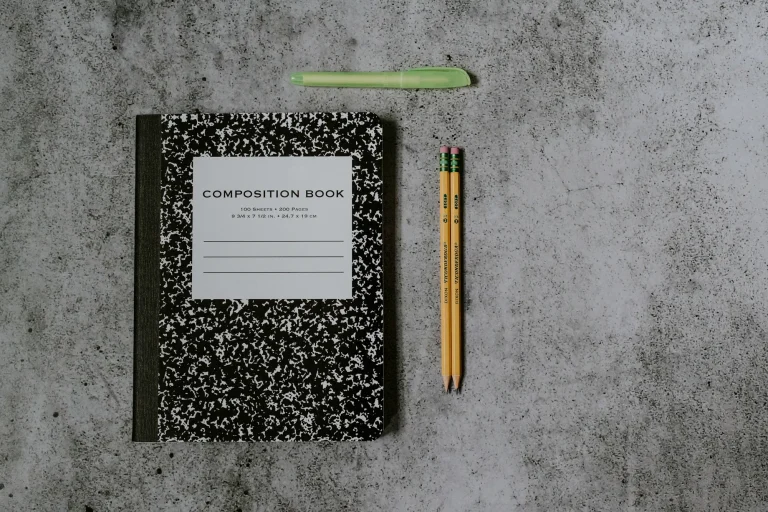
While focusing, you will remember a dozen small things: an email to send, a bill to check, a question to look up. Keep a notepad beside you and jot each one down in a few words, then return to your task. The list gets handled after the block, and the thought stops nagging you. If you want a system for handling those captured items, our guide to note-taking systems can help.
Make deep work habits survive a bad week
Habits fail when they depend on perfect conditions. Plan for the weeks when things go wrong.
| Situation | Minimum version |
|---|---|
| Busy day with many meetings | One 25 minute block |
| Travel or disrupted routine | A short block on the single most important task |
| Low energy | Easier deep task, such as outlining |
| Constant interruptions | Move the block to early morning or late evening |
The aim is never to break the chain completely. A short session on a bad day keeps the habit alive, and that is worth more than a perfect session you skip.
Track and adjust
You do not need an app. A paper calendar where you mark each day you completed a block is enough. After two weeks, look at the pattern. Which times worked, which days failed, and why? Adjust one thing at a time, such as moving the block earlier or silencing one more app.
Be careful not to measure yourself by hours alone. Ninety minutes of true focus beats four hours of half attention. Ask at the end of a block whether you made real progress on the task you chose, and treat that as your measure.
Protect your focus from meetings and messages
Focus rarely fails because of one big interruption. It fails through dozens of small ones. Batch your messages by checking email and chat at set times, perhaps mid-morning and mid-afternoon, rather than constantly. If you are tempted to open your inbox every few minutes, our email triage system offers a calmer routine.
Meetings also fragment the day. If you can, cluster them on certain days or in the afternoon, so your mornings stay free. For the meetings you cannot avoid, our better meetings checklist can shorten them. You can find more routines like these in our productivity section.
Where to start
Pick tomorrow’s most important task and write it on a sticky note. Schedule a 45 minute block at your sharpest time of day, put your phone in another room, and close everything except the one document you need. Do it again the next day, and keep the block the same for two weeks before you change anything. Once it feels routine, extend it a little or add a second block.
Frequently asked questions
How long should a deep work session be?
Start with 45 to 90 minutes. Shorter blocks of 25 minutes still work well if that is what you can sustain.
How many deep work hours can I do in a day?
Most people manage one to three focused blocks. Quality matters more than total hours, so stop when your attention clearly fades.
What if I work in an open or noisy space?
Use headphones, a visible signal that you are busy, or move your block to quieter hours. A different room can also help.
What should I do when I get distracted mid-session?
Write the distraction on a notepad and return to the task. Handle the list after the block ends.